How effective is laser spine surgery?

Laser spine surgery is a type of back surgery. There is a difference between laser spine surgery and other forms like minimally invasive spine surgery, and traditional back surgery. Charak Hospital is one of the leading hospitals in the healthcare sector. The hospital serves you with favorable conditions that help you with quick recovery. It is confined with all the necessary equipment and procedural items that may bring peace and strength to your wounded body. The hospital gives you peace of mind where you are given the responsibility of cooperating with the doctors. Moreover, the doctors also lead you to a stress-free life making you healthy like before.

Herein, we have brought you information regarding laser spine surgery and how effective it is for you. Let us start reading:

How is laser spine surgery different from others?

There are a few types of back surgery. These include traditional and open approaches, minimally invasive spine surgery, and laser back surgery. Below, we describe to you the technique of the different surgeries:

  • Traditional Back Surgery

In this type of surgery, the surgeons make a long incision in the back. They move the muscles, and other tissues of the spine in such a way that it helps to have easy access to the spine. The recovery may take longer. There can also be chances of tissue damage.

Also check: What is Orthopedic Trauma Surgery?

  • MISS Surgery

It utilizes a smaller incision than the traditional one. There is a special tool called a tubular retractor. It is used to create a small tunnel to access the surgical site. During the surgery, various specialized tools can be placed in the tunnel formed. It is less painful. The recovery in this case is faster.

  • Laser Surgery

During laser spine surgery, the portion of the tissue that is creating problems for the patient is removed or adjusted using a laser. Herein, the tissues around the spine or nerves of the cord are treated. Unlike the other back surgery, this type of surgery is appropriate for only certain conditions. For example, it can be performed for nerve compression when it is causing excess pain.

Laser spine surgery is relatively rare. However, there are many more benefits of this kind of surgery than other methods.

Effectiveness of Laser Spine Surgery

When the nerve gets under pressure, it can lead to pain and discomfort in the back. In the spine, the parts of the spine like herniated discs or a bone spur can cause compression. Sciatica is the example that suits this condition. When sciatic nerves become pinched, it can lead to lower back pain and leg pain.

  • Lasers help to decompress the spine or the nerve. It aims at relieving pain from the spine. The operation happens in the presence of local anesthesia. This means that the skin and the surrounding muscles of your spine will be numbed using anesthesia. You may feel sedated at the time of operation.
  • One more example of laser spine surgery is percutaneous laser disc decompression (PLDD). This procedure utilizes a laser that involves the removal of disc tissue causing compression and pain in the spine.
  • During the operation of PLDD, a small probe containing a laser is passed into the core of the affected area. It is then overseen by the use of imaging technology. The laser is carefully used to remove tissues that may press the nerve area.

What are the benefits of Laser Spine Surgery?

Laser spine surgery is less invasive than traditional back surgery. Additionally, it can be performed in an outpatient setting. It utilizes local anesthesia and in many ways, it is similar to MISS.

In comparison to other methods, there is limited information on laser spine surgery. In a study where PLDD is compared to another approach called microdiscectomy, the procedure is quite similar over the two years of the recovery period.

It should be taken care that PLDD includes additional follow-up surgery. After receiving the normal outcomes of PLDD, the surgeries are performed.

Drawbacks of the laser spine surgery

If you are going through degenerative surgery, laser spine surgery is not surely for you. In such a case, complications may occur which will require a more traditional approach. One of the major drawbacks of laser spine surgery is that you may require additional surgeries. In a study, it has been found that microdiscectomy requires a lower number of reoperations than PLDD.

What are the side effects of laser surgery?

Every medical procedure has its potential side effects and complications. This is the same for laser spine surgery. One of the potential complications with laser spine surgery is the damage to surrounding tissues. Before the laser is used, heat damage can cause complications with the nerves, bones, and cartilages.

Another complication is the spreading of infection. This can occur during the placement of the probe. There can be chances that proper sanitation and hygiene are not followed during the process. This can lead to infection. In some cases, you may be provided with a special type of antibiotic called prophylactic antibiotics. This may help you prevent infections and other relatable side effects.

What is the recovery time for laser spine surgery?

Recovery time for laser spine surgery may vary from individual to individual. Some people may be able to return to their normal activities more quickly while some others may require more recovery time.

How does it come out to be in comparison to other types of surgery?

In comparison to traditional back surgery, the surgery requires a longer stay in the hospital. According to a study, people undergoing traditional spine surgery may take 8 to 12 weeks in recovery.

In contrast, MISS is performed as outpatient meaning that you can go home immediately after the surgery. In general, people who underwent MISS may return to their normal activities within six weeks.

You may think that this surgery may require less time to recover. In actuality, there is very little information available on laser surgery. It depends on how you compare the recovery time and the limits with other surgeries. In a study, it is found that microdiscectomy surgery takes less time in recovery than PLDD.

The Takeaway

Credihealth is an associate partner of Charak Hospital. Credihealth provides you with a timely discount on its services. It offers the facilities like ordering medicines, assistance for a medical loan, home care services, video or teleconsultation with doctors, etc.

Also Know: Does Stomach Cancer show up on CT Scan?

Can Stage 4 cancer be cured?

Top 10 cancer hospitals in Hyderabad
Top 10 Cancer Hospitals in Mumbai

Laser Treatment for Skin Cancer

Diagnosed with Spinal Cancer Know Your Treatment Options

The spinal cord is an integral one of the parts of the central nervous system. It extends as a nerve tissue column that extends from the top of the brain to the back. It is the conduit for important signals out of the brain into the other body. You may experience spinal cancer when the cells are abnormally growing out of control. The cells outgrow in the bone tissues and fluids. Thus, to cater to the symptoms, let’s see spinal cancer treatment for the same. 

What are the most common spine cancer treatments?

Treatment options for cancer of the spine vary in a wide range, depending on the factors like area and severity of cancer. The surgical options include less invasive and more aggressive methods. In addition, interventional radiology, surgery, and chemotherapy can be utilized to treat the condition or alleviate the side consequences. According to the oncologist in Kolkata, the most frequently used treatments for cancer of the spine are:

Therapy with radiation

Radiation therapy for spinal cancer is typically used following surgery to remove a tumor and kill tiny tumor cells.

Chemotherapy

Chemotherapy drugs can be administered in pill form orally and injected into veins. In addition, for certain spinal tumors, the doctor can inject the medications in cerebrospinal fluid.

Interventional radiology

Interventional radiologists in Kolkata provide minimally invasive procedures, execute procedures to treat the effects of pain and complications, perform biopsies, and work to ease a myriad of symptoms that could arise when undergoing the course of treatment for cancer.

Surgery

In case if the tumor is located in any area of the spine column, you may need to perform surgery. Thus, the surgeon will remove the spinal column completely. In the case of metastatic spinal tumors, we can perform the minimum surgery required to relieve symptoms.

What is the benefit of surgery?

The aim of surgery for spinal cancer depends on various factors, including the location and severity of the tumor and the signs and symptoms that are present.

If the tumor is restricted to a particular part in the spinal column, the doctors can perform surgery to eliminate cancer. However, if the tumor is metastatic, it is possible to perform surgery to alleviate symptoms. For instance, we typically employ surgical techniques to address spine column instability and compression and ease discomfort. 

In addition, surgery for cancer of the spine can aid in removing tissue pressing on the nerves and spinal cord or reduce the accumulation of cerebrospinal fluid.

In the past, procedures for treating spinal tumors were quite extensive. However, with the advancement of technology, the oncologist in Kolkata can perform many of these procedures with minimally invasive techniques. 

The minimally invasive spine surgeries enable patients to return to their feet and resume normal activities quicker and without pain. In addition, it allows you to maintain your health through nutrition and return to treatment quicker.

Is Craniotomy best as Spine Cancer Treatment?

A craniotomy is a procedure that allows the affected area to be opened to remove a tumor in the brain. Surgery aims to eliminate most of the tumor without destroying vital brain tissue or disrupting the brain’s functions. The patient will be put under general anesthesia or be awake for a minimum of some of the procedures when the surgeon needs to evaluate the brain’s performance (called “mapping”).

During the procedure, the surgeon creates an incision (incision). Then, the doctor may remove a portion from the affected area to expose the region in which the tumor is growing. 

The surgeon takes out most of the tumor as is feasible. Then, a specific ultrasound device can be used to break down the tumor, making it simpler to remove. The surgeon can also employ an operating microscope specially designed for the job, which helps identify the tumor’s boundaries.

The medical expert can utilize image-guided surgical procedures to treat some spine tumors. Images are taken repeatedly using an MRI or CT image during a procedure to reveal the site of the tumor and the instruments used by the surgeon.

The doctor closes the scalp by using staples or stitches. For example, if your spine has become swelling following surgery. The doctor may remove the cancerous area, and it helps to reduce the swelling. However, it is wise to take a second opinion, for spinal cancer treatment. 

Alternative non-surgical treatment for spinal cancer 

The surgeon’s at multi-specialty hospitals suggest the following non-surgical treatment for spine cancer:

  1. Corticosteroids: Steroids can also help lessen inflammation caused by cord compression. This therapy does not eliminate cancer. However, it reduces the strain around the spine due to its anti-inflammatory capabilities. The most frequently used steroid is dexamethasone.
  2. With Interventional radiology, Our doctors can see tumors in real-time and execute interventions. The doctor may perform biopsies to treat tumors directly and provide palliative care and monitor your treatment response.
  3. The vertebroplasty procedure and kyphoplasty are two instances of minimally invasive procedures. The expert uses the method for compression fractures in the spinal vertebrae caused by spinal cancer. 
  4. Compression fractures in the spinal vertebrae may cause extreme back discomfort, spinal deformity, and even loss of height. The doctors can perform the procedure of kyphoplasty or vertebroplasty. They perform the surgery to repair fractured and collapsed vertebrae.

Metastatic Spinal Tumor Treatment Goals

Most metastatic spinal tumors form in the vertebra, and they reduce the strength of the bone as time passes. The oncologist in Kolkata offers complete treatment for spine cancer.

When a vertebra breaks, the spine can become unstable, cause greater pain, and even cause compression of the spinal cord or spinal nerve. 

With these typical problems in mind, treatment options of metastatic tumors typically consist of:

  • Relief from pain. According to the doctors, the main objective of the treatment is to provide relief to the patients. As we know, spine cancer develops severe pain.
  • Maintain neurologic function. Maintaining or restoring spinal stability could be necessary to maintain neurological function, for example, walking or controlling bladder and bowel function. Patients with metastatic spinal tumors are likely to have a higher chance of surviving (long-term perspective) when they can keep their capability to walk.

How does advanced radiation contributes to spine cancer treatment?

The majority of treatments for spinal tumors that are metastatic require radiation therapy. The most frequent types are:

Conventional external beam radiation therapy (BRT).

Conventional EBRT uses a device to deliver one beam of radiation to the body, targeting cancer. However, this kind of treatment might not be a suitable option for tumors too close to sensitive organs that would not be capable of handling radiation exposure.

Stereotactic radiosurgery (SRS).

SRS emits multiple beams of low-dose radiation to the tumor at various angles. The aim is to maximize the amount of radiation delivered to the tumor while minimizing exposure to healthy tissue nearby. Advances in SRS allow for the development of many metastatic spinal tumors. The doctor uses SRS to treat without needing more invasive surgeries.

Word of Wisdom

Spine cancer can be dangerous if not treated on time. Thus, booking an appointment with the designated health expert is necessary. As we know, there are many spine cancer treatments. 

Yet, which surgery brings more benefits and has fewer complications. Therefore, get expert advice and book an appointment with an oncologist in Kolkata through Credihealth. 

How can an oncologist help you in cancer treatment?

Cancer has always been a dreaded disease. The thought of having it strikes up a feeling of helplessness in everyone. Oncologists help to deal with the diagnosis and treatment of cancer. It is not easy to deal with cancer, and it is not easy to treat it. The treatment of cancer is quite expensive. Any patient undergoing this treatment should know that professional looks after their case. This article will help you know more about cancer treatment and how an oncologist can help you with it.

What is an oncologist for cancer treatment?

Oncologists for cancer treatment are physicians who diagnose and manage cancer. They typically serve as the primary medical provider for a patient with cancer. In addition, they design treatment plans, provide support services, and occasionally coordinate treatment with other specialists. Besides, oncologists in Hyderabad provide the best medical advice. 

The general practitioner or family doctor might recommend you to an oncologist when they need the advice of someone who is an authority in a particular area or cannot identify a cancer diagnosis. The goal is to pinpoint — and determine the potential reasons for the issue, to ensure that you receive the most effective treatment.

The oncologist contributes to the treatment and guides the treatment. In addition, the experts also share their opinion on the referral process. Furthermore, the oncologist may suggest a diagnostic test for the treatment. 

How can an oncologist help with oral medications?

Oral oncolytic can be administered at home, like treatments for another chronic disease, They provide more comfort than chemotherapy administered via IV in an infusion center. Therefore, oncologists for treatment are the best suited. 

Patients that are further removed from the clinical setting, however, healthcare providers are less equipped to supervise the medication adherence and have fewer encounters with patients and assist them in managing the symptoms of treatment, like nausea, fatigue, and diarrhea that can make it difficult to take the medication in the prescribed manner.

The oncologist may also provide a pre-treatment plan for killing the cancerous cells. 

Consultation with the oncologist for cancer treatment?

When you first begin your consultation with an oncologist, the doctor will inquire about your complaints, how and when they first began testing, the tests you performed before presenting, and the medicines you were taking.

The health expert recommends bringing all your medicines with you during the first visit and copies of all tests you’ve done, including the imaging study. You may have to repeat a few tests depending upon the necessity.  Thus, an oncologist for cancer treatment may suggest a full body examination. 

Further to this the doctor suggests being with your family member or loved one as it can be emotionally uncomfortable to answer certain questions that your doctor may ask you. 

After reviewing your test results, The doctor could suggest further tests to confirm the cancer diagnosis or rule it out. In any event, the oncologist will give you an official diagnosis.

The doctor should allow you to ask any questions and express your concerns. Therefore, the doctor recommends writing down all your inquiries before visiting an appointment with oncologists in Hyderabad.

Which oncologists suggest the therapies for cancer treatment?

Many cancer cases have shown that therapies work better as a non-surgical process. Thus, oncologists in Hyderabad may suggest therapies for cancer treatment. They are as follows: 

Chemotherapy is the treatment that employs medications to slow the growth of cancerous cells or by killing cells or stopping them from growing. The doctor injects drugs by injection, mouth, or infusion or applied to the skin, based on cancer’s stage and type.

Immunotherapy: A form of treatment that uses substances that stimulate or inhibit the immune system from helping the body fight infection, cancer, and various diseases. Certain types of immunotherapy focus on certain types of cells in the immune system.

Radiotherapy: Treatment for cancer that uses radioactive energy to kill cancerous cells and break them down.

Hormonal therapy: Hormone replacement therapy is a medication made up of female hormones. The medication helps to replenish the estrogen your body ceases to produce during menopausal changes.

Conclusion:

An oncologist in Hyderabad is a professional who treats cancer patients, offers recommendations and advice, and helps the patients make informed decisions. 

Though cancer treatment and therapies treat the condition. However, which therapy and surgery are most suited is suggested by the doctor. 

Life-threatening diseases such as cancer can be severe if you don’t know the treatment or what you should do after the doctor’s consultation. So do not waste time and make an appointment with the top oncologist in Hyderabad through Credihealth. 

Other useful links:

Online Doctor consultation app in India

Early Symptoms of Cancer

Can Lung Cancer Cause Anemia?

What to do when cancer is detected?

Is blood cancer curable?

Can Mold Cause Cancer?

Laser Treatment for Skin Cancer

Cyberknife Treatment for Prostate Cancer

How does lung cancer affect the other organs?

Non-small cell lung cancer

Can smoking cause Thyroid cancer?

Immunotherapy treatment for brain cancer

Third Generation Chemotherapy for Breast Cancer

What Causes Gastric Cancer?

What exactly is Scoliosis Surgery?

Scoliosis surgery can be used to fix the curvature of a spine, but it is not without its risks. The best method of fixing scoliosis is surgical spinal fusion, where small pins and screws are placed in the spine to pull it back into its proper shape. However, when your scoliosis surgery is complete, will you be able to play sports or go on a jog?

The first step in fixing scoliosis is seeing your doctor and discussing the condition. Next, discuss your options and understand the risks involved with surgery.

If you decide to undergo surgery, the actual procedure of surgery is relatively straightforward. However, spinal fusion isn’t as simple as inserting a rod into your spine. Instead, your scoliosis surgeon will use small screws to force two vertebrae together and fuse them so that they can no longer move on their own.

The spine can be fused using either metal grafts or bone grafts.

Scoliosis Surgery might be the best option for you if:

  • If you have severe scoliosis, this might be the only way to fix your spine. 
  • Spinal fusion is best for adults who have between twenty and forty degrees of the curve. 
  • Spinal fusion is also recommended for people in line with societal norms or those whose careers or relationships are not damaged by the deformity.
  • It is often considered to be the best treatment for scoliosis.
  • Surgery can fix the spine, but if you aren’t happy with the result, you can always get another surgery in the future to correct it. 
  • It might also be a good option for those opposed to medication. According to medical experts at HCG hospital Ahmedabad, people are more likely to get very few side effects from Scoliosis Surgery.

Should I Get a Scoliosis Surgery?

It would help if you considered the risks involved before undergoing an operation, as with any surgery. Unfortunately, not every curve can be treated by Scoliosis Surgery. The straightness of your spine is one factor you have to consider.

If your curve is twenty degrees or less, you might not need Scoliosis Surgery. If your curve is twenty-one to forty degrees and doesn’t affect your quality of life, you don’t need Scoliosis Surgery either. Besides,  HCG hospital Ahmedabad offers complete treatment options under one roof.

If the doctor feels you need Scoliosis Surgery, you should discuss it with them first to decide if this is the best option. Spinal fusion surgery is best for adults who have a curve of over forty degrees. 

Scoliosis Surgery is most effective if done when your spine is fourteen years old or younger. However, it would help if you also had your healthcare provider check the effect of Scoliosis Surgery on your future activities.

What happens in Scoliosis Surgery?

  • You may get general anesthesia. The surgery is performed on an outpatient basis. Besides, you can leave the hospital the same day (as long as you pass the test that shows that your muscles have relaxed enough to hold up your head without feeling pain). Your doctor will stand by you during the operation, taking care not to make the incision anywhere it wouldn’t be possible for your breathing to come under pressure.
  • It is a simple surgery. A small incision (cut) is made in your lower back. 
  • The bone graft is placed between the vertebrae and held until the bone fuses after six weeks. Your doctor might also insert an implant during the operation to help correct the curvature of your spine. 
  • This implant will keep your spine straight after being fused, but you should still ensure that you are careful not to do anything that would stress your weakened back muscles.

Pros of Scoliosis Surgery

Some benefits of scoliosis surgery include:

  • When your spine fuses using bone grafts, there is a more substantial chance of spinal fusion.
  • Immediate correction of your spine after surgery.
  • Reduced pain in some patients. According to the reports, it is by far the most common benefit.
  • Besides, it is because the fusing of two vertebrae will stop them from moving together, which can cause pain over time.

Cons of Scoliosis Surgery

Some disadvantages of scoliosis surgery include:

  1. Your back may not heal entirely after the procedure. The results in a permanent hump on your lower back and is not as comfortable as a natural alignment. To correct this, you will need to have another procedure performed on your spine in the future.
  2. The metal used in spinal fusion can cause disc problems.
  3. Back troubles can damage your spinal cord and lead to serious health problems.
  4. Scoliosis Surgery can correct your spine’s shape and give you a more traditional form. But, the surgery does have risks. If you are considering surgery, it is essential to consider whether or not the operation will improve your quality of life.
  5. If you choose to have the surgery, a surgeon will fix your spine by folding it in on itself through metal grafts or bone grafts.

What are the potential drawbacks of the surgery?

Scoliosis surgery carries some risks. One of the biggest problems is that the spine may not heal or fuse properly, and you still have a hunchback. If this occurs, you will have to undergo another surgery in the future. 

In general, the surgeon recommends only to adults who have a curve of over 40 degrees. It is because adults are more likely to gain some mobility back than adolescents subjected to spinal fusion surgery.

Another risk associated with the surgery is having complications such as infection or pneumonia.

Thus, it is essential to get surgery from an experienced doctor. You can consult the top surgeons at  HCG hospital Ahmedabad. 

Conclusion:-

Scoliosis Surgery is a simple operation. You can have this surgery on an outpatient basis. It helps to improve your spinal curve.

The postoperative period after spinal fusion surgery involves pain from the surgical site and the risk of infection.

As we know, there might be pros and cons of the surgery. However, getting a second opinion can help to reduce the symptoms. 

What happens after radiation treatment for lung cancer?

Radiation treatment for lung cancer is one of the best options to reduce the symptoms of cancerous cells. Besides, every end of the treatment is the beginning of a new chapter in life. Each cancer patient wishes to end the turmoil feeling of cancer. Yet, radiation therapy can leave few side effects. Moreover, radiation therapy sometimes is not enough to treat cancer. Thus, the patient may undergo a complete examination or further treatment. 

Besides, the doctors at S L Raheja Hospital offer complete treatment options. Lung cancer treatment includes:

  1. Surgery 
  2. Chemotherapy 
  3. Radiation Therapy 
  4. Supportive Care (watchful waiting, supportive medical procedures, and Care)

Diagnosed with cancer can bring a discomfort. Thus, further, we will discover what to expect after radiation treatment. It also has useful guides that may be helpful to your family members who are helping you during your treatment. We hope this information helps in making decisions about your treatments. 

How Radiation Therapy for Lung Cancer works?

Once the doctor decides to go with radiation therapy, a drawing board takes place. The individual will initially go through a simulation check on a unique CT scanner. IV or oral comparison may be made using. If a gadget is required to keep the patient still (such as a mask), this is made at the simulation scan visit.

The doctor will then outline the location of the tumor. In addition, the expert also points out the affected areas that need to be prevented. The radiation strategy is established and examined by dosimetrists, clinical physicists, and radiation oncologists. The radiation strategy after that undergoes quality and also safety checks.

The therapy is provided on the treatment units by radiation therapists. In addition, the radiation oncologist will work with other staff members, nurses, and dieticians. Many top oncologists in India highly recommend radiation treatment for lung cancer. 

Regeneration of Cancerous Cells

Radiation therapy directly kills the DNA of the cancerous cells. However, few are not broken perfectly. The DNA strands are not broken, creating problems in the blood cells. The old cells which were not able to destroy, those cells get regenerated. 

It means that the cells rejuvenate and grow rapidly in the body. The rejuvenation of the old cancerous cells is a serious threat to blood cells. The cancerous cells return and damage another part of the organs. 

Side Effects of Radiation Therapy for Lung Cancer:- 

Skin changes. Some people that receive radiation treatment experience dry skin, itching, blistering, or peeling. These side effects depend upon which body obtained radiation therapy and other variables. Skin modifications from radiation treatment normally disappear a couple of weeks after therapy ends. 

Tiredness. Exhaustion is a term used to define feeling exhausted nearly all the time. Numerous individuals experience fatigue. Your level of fatigue frequently depends on your treatment plan. For example, radiation treatment integrated with radiation treatment might cause more tiredness. Learn just how to cope with fatigue.

Lasting side effects. The majority of side effects disappear after therapy. However, some continue, come back, or create later on. These are called long-term or late results. One possible late result is the development of a 2nd cancer cells. It is a new sort of cancer cell created due to the initial cancer cells treatment. The threat of this late impact is low. As well as the threat is frequently smaller than the advantage of treating first cancer.

Once the side effects are revealed, you shall take a consultation from the top oncologist in India. Besides, Credihealth allows you to get the best medical facilities from the leading multispeciality hospital, such as S L Raheja Hospital. Thus, after the radiation therapy for lung cancer, the doctor may suggest a check-up/health examination. In addition, you can expect supportive Care for lung cancer. 

Can I expect supportive care after Radiation Treatment for Lung Cancer?

Supportive care after the treatment includes helping the person diagnosed with lung cancer get back to their daily activities. A person with early-stage lung cancer may not need treatment at all. They may be able to take some over-the-counter medication. If cancer has spread, they may need surgery that removes all of the cells in the area where it starts (the surgery is called a lobectomy). 

Top multispecialty hospital in India, such as S L Raheja Hospital, offers supportive Care for lung cancer patients. You can expect a support care group to meet and interact with other cancer patients. Furthermore, you can share your stories and offer support to each other. 

Complete Health check-up for Lung Cancer Patient

Radiation therapy helps to kill the growth of cancerous cells. However, it may affect and cause a few side effects. For some patients, the side effects are not easy to tackle. It causes more health complications. 

Therefore a complete check-up after the radiation therapy might help monitor the possible threat. Lung cancer survivors are also at risk of developing second or first cancer in another organ.

Chemotherapy after radiation treatment

You may get chemo before surgery or other treatments to shrink the tumor or remove any cancer cells that remain after surgery. In addition, you may get chemo when there are too many cancer cells for surgery to remove them all.

It is a general term for a particular group of drugs that fight against cancer. The doctor will offer chemotherapy in a series of sessions. It means you will receive it with a rest period between each cycle. The length of treatment depends on your type and stage of cancer and your general health.

The patient may get chemotherapy alone or with other anticancer drugs, like antimetabolites (e.g., 5-fluorouracil or capecitabine) and other agents that can slow the growth of tumor cells by blocking the enzymes they need to grow (e.g., methotrexate). Furthermore, the side effects depend on the type of dose. Radiation treatment for lung cancer may be a good option to kill the cancerous cells. However, it is not enough. Hence, the doctors may suggest chemotherapy sessions after the radiation treatment.

In conclusion, 

The doctor will monitor you for any signs of recurrence after your treatment completes. For example, if the doctor treated your lung cancer with surgery, the surgeon will check for any signs of new tumors on your chest x-ray every three months. 

If it is not possible to get an x-ray, the doctor may regularly schedule physical exams or CT scans to look for new tumors or metastases (cancer cells that spread to other parts of the body). 

In a complete health check-up, you can expect the doctor to do a general physical exam and may order a urinalysis, blood tests, or other specific tests if needed.

Useful Links: Breast Biopsy

Radiation Therapy for Breast cancer

Treatment for Breast cancer in India

Early Symptoms of Cancer

Can Lung Cancer Cause Anemia?

What to do when cancer is detected?

Is blood cancer curable?

Can Mold Cause Cancer?

Laser Treatment for Skin Cancer

Cyberknife Treatment for Prostate Cancer

How does lung cancer affect the other organs?

Non-small cell lung cancer

Can smoking cause Thyroid cancer?

Immunotherapy treatment for brain cancer

Third Generation Chemotherapy for Breast Cancer

What Causes Gastric Cancer?

What happens in the brain during Alzheimer disease?

Alzheimer’s is a chronic, progressive brain disease with mild cognitive impairment. The progression from normal aging to Alzheimer’s can take three to ten years. The disease worsens over time with the onset of memory loss and impaired judgment. There are symptoms such as difficulty using familiar words, misplacing objects, or forgetting recent events for which the person cannot remember what happened before.

The symptoms stem from the changes in neurons in the brain due to undifferentiated protein clumps called amyloid plaques that damage cells in crucial areas of learning, reasoning, and judgment. 

Does Alzheimer’s disease affect your brain?

No, but most damage occurs in brain areas. You may observe an effect in the areas of the sensory neurons. 

To perform a simple task, such as filling out a form or identifying someone in a group photograph, areas of the brain need to be healthy and active. Alzheimer’s, patients will have difficulty controlling their movements and decision-making.

The disease can affect many parts of our brain. The three main areas involved in Alzheimer’s disease include:

The earliest stage of Alzheimer’s disease is mild cognitive impairment (MCI). Its stage has no symptoms but is associated with small changes that may lead to more severe forms of dementia later on.

Besides, health experts at MGM hospital Chennai suggest an immediate treatment for Alzheimer’s disease.  

Effect of Alzheimer’s disease in communication

Patients with Alzheimer’s disease may not speak clearly, even if they still understand what is said. However, communication difficulties do not cause long-term problems for the patient at this stage.

By the time Alzheimer’s has progressed to severe dementia, the person is incapable of speech and often does not recognize family or friends. Symptoms include loss of memory and social withdrawal from others.

Alzheimer’s disease provokes marked changes in movement ability, including tremors and dramatic loss of motor skills such as writing or holding a glass. Patients experience these changes while they are still able to walk and perform other tasks with minimal help.

Side Effects of Alzheimer’s disease on the brain.

The disease causes many changes in the patient. It includes:

  • Memory
  • Tinking and reasoning
  • Making judgments and decisions
  • Planning and performing familiar tasks
  • Changes in personality and behavior
  • Depression
  • Apathy
  • Distrust in others
  • Changes in sleeping patterns
  • Wandering 
  • Loss of inhibition
  • Delusion

How is thinking ability affected by Alzheimer’s disease?

From a neurological perspective, the most important aspect of the brain is its neurons. A healthy neuron consists of a cell body called the soma and several thousand tiny branches called dendrites extending from it. The ends of some dendrites have little knobs called dendritic spines that are covered with specific proteins (called receptors) for receiving signals from other neurons. The branch ends attach to nerve cells in other parts of the brain, forming an intricate network of communication between different areas within the brain that are responsible for specific functions. 

In Alzheimer’s disease, some portions of these nerve-cell branches become damaged, causing them to lose their ability to properly receive or respond to signals.

Is there any cure for the disease?

 No. There is no cure for Alzheimer’s. At this time, there is no effective treatment that can stop or reverse the progression of the disease.

The most important thing anyone can do is stay active and as healthy as possible by eating a nutritious diet and exercising regularly, which may help delay the onset of Alzheimer’s and other dementias.

Because people have unique health needs, care plans will occur and must be discussed with a qualified healthcare professional. However, MGMhospital Chennai doctors are highly qualified and provide treatment with resilient practice. 

Many changes occur in the brain during this disease, including atrophy (wasting away) of brain cells and widespread loss of nerve cell function (neurodegeneration).

What to do when you discover Alzheimer’s disease?

The first step is to get a diagnosis through testing or a medical exam. Once diagnosed, there are medications available that can slow the progression of Alzheimer’s disease in some people. It doesn’t make it any less serious; you still experience diminished memory and other characteristic symptoms of Alzheimer’s disease with medication.

As part of your treatment for Alzheimer’s disease, one option is to join a clinical trial studying investigational treatments that may work better than approved ones. 

Your doctor may recommend that you participate in supervised non-contact exercises like music therapy or acupuncture (and they’re inexpensive!) to see if these therapies alleviate your dementia symptoms.

Conclusion:-

People with Alzheimer’s may feel confused and disoriented, anxious or unable to cope, irritable or agitated, depressed or withdrawn. They may be suspicious of others or become easily upset or frightened.

The brain has two parts. The left-hand side part of the brain performs thinking and creativity. Further to this, the right side controls logical reasoning. These two halves of the brain perform different but complementary functions necessary for hearing, thinking, and reasoning.

In Alzheimer 3 disease, changes in one-half of the brain may only affect behavior in that half of the body. The person may have trouble controlling movements on his left side while his right side is unaffected, leaving him with a tendency to fall on his left side.

Alzheimer’s disease usually occurs when the person crosses 60 years of age. Once you notice such symptoms in your family member, take them to the doctor for further treatment. Besides, you can have an online consultation with the doctor through Credihealth. Therefore, book an appointment with the best doctor at MGM hospital Chennai. 

Other useful links:

Autism Spectrum Disorder

What Triggers to Migraine?

Brain Tumor Surgery and Treatment

Warning signs of Brain Tumor

Brain Tumor Symptoms and Risk Factors

Are headaches associated with brain tumors benign or malignant?

Every patient is unique in terms of experiencing the symptoms of any underlying disease. The same is the case for brain tumors. Brain tumors tend to be constant and are sometimes worse at night or in the early morning. Some patients describe headaches associated with brain tumors to be dull and “pressure-type” while some mention it as “stabbing pain”. The headache associated with brain tumors is localized to specific areas. The condition becomes worse when the person is feeling cold and coughing with sneezing and straining. A headache caused by a brain tumor may respond to the medications in the early stages. But, it becomes more resistant with time.

Kamineni Hospital is a multi-specialty hospital in Hyderabad. The hospital serves to provide the majority of specialties that are government-approved. The hospital has experience in providing in-patient and out-patient services at the sole responsibility of the whole organization. Kamineni Hospital lets you diagnose the underlying disorder with the help of the latest technology. The staff is educated and trained to provide a peaceful environment for the sake of the patient’s treatment.

The pattern of headache during brain tumor stages

  • The pattern of headache does not give the clue to doctors about the health of the patient. Some patients with malignant tumors have no headache at all. And there are certain who suffer small benign tumors and it can cause deliberate headaches.
  • The evaluation of the physician is based on imaging studies like CT scans or MRI. These studies provide necessary information regarding the health status of the patient.
  • Talking about the health of the brain, it does not possess any kind of pain receptors. But, several mechanisms can help to define the type of disorder with just one severe headache.
  • The fact is that tumors inside the brain increase the pressure inside the skull that is called intracranial pressure. This causes the stretching of dura- the covering of the brain and spinal cord. It can be painful and create several other severe disorders.

Relationship between headaches and brain tumor

Headaches do not merely indicate the type of disease. Experiencing a headache from time to time can be a medical emergency. On the other hand, brain tumors lead to several headaches that are persistent and constant. According to the researchers, around 50% of people experience headaches due to brain tumors. Brain tumors are said to cause a distinct type of headache that is different from migraine and other tension-type headaches.

Headaches due to brain tumors have following characteristics:

  • Persistent and unusual pain in the head (for people with no case history of severe headaches)
  • The headache may become severe during the early morning
  • Can make the person wake up in the middle of the night
  • Get worse with time
  • It lasts for several days and weeks
  • It is worse in the situation if the person is facing cough and other changing positions of health status
  • Can occur alongside vomiting

It is important to note that there can be other medical conditions accompanied by these similar characteristics of headache. For example, sleep disorders, sleep apnea, insomnia, etc can also lead to morning headaches.

Headaches and their connection with other underlying disorders or diseases

  • Although headaches are the persistent cause of brain tumors, they can lead to many other common disorders or diseases and even cancer.
  • A person with persistent headaches can also have other underlying disorders like tension headache, or migraine.
  • Sometimes, headaches occur in daily clusters. It lasts a few days and more than a week at the same time like before or after eating food, in the night before sleeping, etc. Moreover, the cause of cluster headaches is still unknown.

How far does the brain tumor come out to be malignant?

Unlike other cancers, a brain tumor is classified based on its pathologic characteristics. It depends on how the cells appear under the setting of the microscope. The stages or grade of brain tumor follows as:

  1. Grade 1: It is noncancerous or slow-growing
  2. Grade 2: The stage is malignant but slow-growing. The cells possess the potential to spread to other body parts.
  3. Grade 3: The stage is malignant and develops more quickly in comparison to grade 1 and 2 tumors.
  4. Grade 4: This stage develops abnormal features and characteristics. The body starts behaving unusually. The body develops the tumor rapidly and the cancer is aggressive.

There are around 23.8 percent of adults in every 100,000 persons suffering from brain tumors. One-third of brain tumors remain at the malignant stage or at the borderline of being malignant. In children, the rate is much lower. It is around 6.1 percent of every 100,000 children from 0 to 19 years of age. There is a slightly higher percentage of primary brain tumors in children in comparison to adults around 60 by 30 percent in ratio.

Brain tumors are graded from stage 1 to stage 4. It depends on how fast they grow and how likely they are to come back after the treatment. A malignant brain tumor occurs at grade 3 or 4 while grade 1 or 2 of tumor stages are benign or non-cancerous. Most of the malignant tumors are secondary cancers. They start developing in distant parts of the body. Primary tumors start primarily in the brain.

Conclusion

The best approach to protect yourself from headaches associated with brain or even brain tumors is to educate yourself. Try to gain knowledge on the pattern of the headache, symptoms, and occurrence of headache in case of a brain tumor.

If you are confused about the type of disorders, you can consult the doctors of Kamineni Hospital. They all provide first-hand knowledge to their patients. The staff of the Kamineni Hospital believes in intervening in the gaps in the knowledge between patients and medical science.

How can you take good care of your teeth as a teen?

Teenagers remain so busy in their lives that it nearly becomes impossible to monitor their activities. Teens tend to pick up habits at this age. They may cause severe damage to their teeth and gum health. They gain habits like eating too much or not eating at all. When it comes to eating or drinking, they prefer soda and some unhealthy snacks. This is because the spices in such food make them regain the taste again and again. However, these habits cause tooth decay. Tooth decay is one of the most common conditions that happen with children.

Saifee Hospital treats the patients with respect and dignity. The patients are provided with the utmost importance. The staff of the hospital works for the better care and health of the patients. The hospital undertakes the use of the latest technology. It takes proper care so that none of the patients get deprived of urgent needs at the time of emergency. Saifee Hospital is a multi-specialty healthcare destination. It has been made to provide equal treatment to all of its patients.

What can you do to maintain the gum hygiene of your teen?

It is important to talk to your doctor when it is about maintaining the health and hygiene of your teen. Brushing is the most important activity that prevents tooth decay, bad breath, and gum diseases. But, while being at the age of teenage, they do not prefer to brush their teeth. This may be because they do not understand the importance of brushing or may just forget to perform the activity.

You can track their activity. Try to look for the things that will let you know whether they have performed brushing or not. For example- the brush may have not been used, their teeth may not look clean and you can also notice their gum issues if they have any.

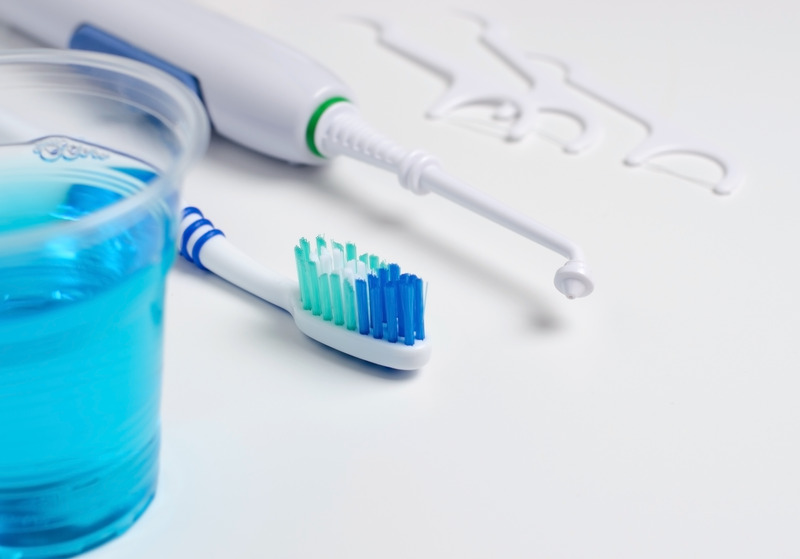
You can encourage your child to have to brush twice a day. Talk to them about how important it is for them to brush daily. In case you need to remind them, here are the basic steps for brushing teeth:

  1. Use a pea-size amount of fluoride toothpaste.
  2. Aim at brushing 45 degrees towards your gum line
  3. Start with the top teeth first. Brush gently and hold the brush firmly. Brush outside the surface of the teeth and one tooth at a time. Brush in the inside surface of the teeth and gums.
  4. Move to the bottom jaw of the teeth and repeat the above step.
  5. Use gentle backward and forward motion on the chewing surfaces of the jaw.
  6. Brush gently covering all your teeth
  7. Perform the activity for around 2 minutes
  8. Spit the toothpaste to clean the teeth. Rinse the toothpaste with water or else you can place the leftover toothpaste in the mouth. This will help to remain fresh for a longer time.

If your teen is having the habit of using an electric brush, he/she might have a problem while circulating the brush. Teach them and let them understand the way to move the brush around the teeth. Keep your brush handle still and guide your teen for brushing across the teeth and gums. Teach them the habit of flossing regularly.

Here we have enlisted a few of the habits that you can adopt to take good care of your teen’s gum problems:

Limit the use of sports drinks and soda

The taste of the soda and cold drinks directly hits the taste buds. Such food encourages the taste and creates the habit of eating them regularly. Teenagers tend to drink soda and soft drinks while being at home or school. Soda and soft drinks are loaded with sugar. Such food causes cavities. They contain acid flavors that are found in additives, sweeteners, sweetened and unsweetened soda drinks. They cause erosion to tooth enamel. If your teenager encourages you to drink soda and soft drinks, make them develop a habit to rinse their mouth after drinking. This will help to remove extra sugar and reduce tooth decay.

Encourage Healthy Snacking

Teens are notorious. They develop the habit of grabbing snacks and small meals. They frequently like to eat between their school and activities or while covering the distance between school and home. But such a type of eating may create permanent damage to their teeth. This may further hinder their overall health and cause damage to their oral hygiene. Try to have healthy snacks. Make the availability of fresh fruits. Try to make them learn flossing and brushing after taking a heavy meal. Encourage your teens to take sugarless snacks or meals. This will encourage them to clean their mouth and remain fresh. Make a habit of drinking water after an hour of every meal. Keep your mouth free from food while you are working.

Protect Your Teeth and Gum

If your teen is involved in any heavy sports activity, make it a habit to wear a mouthguard. A mouthguard can be custom fitted by the dentist or you can buy the same from a departmental store. A mouth guard will protect your child’s oral health specifically when they are paying attention to some other work. Encourage them by rinsing the mouthguard after every use. Store the mouthguard in a well-ventilated container.

Schedule a doctor’s appointment for a routine checkup

Make a routine visit to your dentist. Try not only to floss or brush every day, make a habit to visit your dentist for a regular checkup. Certain things can cause damage to teen gums, mouth, and overall oral health. At this stage of life, teens may develop some bad habits like drinking alcohol, smoking, and oral piercing. Encourage your teen to talk to a doctor regarding the increased risk of damage to their oral health. 

Take a Step towards Flossing Your Teeth

Merely brushing doesn’t remove the plaque particles and food between your teeth. Make a habit to floss your teeth at least once a day. The type of floss you choose depends on the gap between your teeth. Your dentist may recommend you the style of flossing. With any floss, you can develop the habit of avoiding any injury to your gums or teeth. It will let you maintain your oral hygiene. Carefully insert the floss between your teeth and move it in a back and forth position. Bring the floss gently towards your gums. Curve the floss around the edges. Slide it down to remove food inside your teeth. Repeat the process for all your teeth. 

ConclusionContact Saifee Hospital for pediatric dentistry and learn how important it is for you to maintain your oral health. Get your teenager to learn the habits of brushing or flossing every day. The staff of the hospital accept new patients and maintain its relationship with old ones. Schedule your date and time with the well-qualified doctors and get your teen tested with the latest technology.

What could be the best method to regain synovial fluid in knees?

Synovial fluid in knees, elbows, and other joints is also called joint fluid. It is a kind of thick liquid that helps to lubricate joints as they slide one another. As soon as a person ages, the synovial fluid also starts decreasing. This further results in stiffness as the cartilages begin rubbing against each other and start wearing away. This results in pain and fracture due to bone attachment. However, the following are a few steps that you can follow to increase your synovial fluid.

Germanten Hospital offers quality healthcare services. It has a diverse population of doctors who are certified and experienced too. All the doctors possess hi-tech knowledge of German technology. The hospital leads the organization with its national and international patients. It has become a center of excellence in multiple specialties like orthopedics, neurology, gynecology, plastic surgery, and reconstructive. The hospital believes in exchanging valuable information where patients can meet the diverse knowledge of expert doctors and vice versa. It has maintained its collaboration with multiple German hospitals and has got its base founded from there. So all the techniques and methodologies follow international standards that are not only safe for patients but their relatives too. It aims at providing affordable services at a high pace.

Exercise Increases Synovial Fluid

Exercise is one of the natural ways of getting rid of any medical disorder or disease. Exercise improves the functioning of the body parts and helps increase the blood flow, removal of waste material, and nutrient circulation. Synovial Fluid is the fluid that is present in the bones of the joints so that they do not slide against each other. Such bones are the shoulder, hips, knees, and elbows. These joints are further surrounded by soft tissue called the synovial membrane, or synovium. This membrane is responsible for making synovial fluid that is further increased when a person does exercise with the increase in nutrients supplied to membranes. Lubrication or synovial Fluid can be further increased by doing any physical activity but particularly some exercise supports the beneficial effects. These types of exercise include stretching, strength training, knee flexion, knee raises, and Quadricep squats.

Foods That Regenerate Synovial Fluid

Food can also help to boost synovial fluid as these are good for health and joints too. Eating a healthy diet is a sign of a healthy lifestyle. It not only improves the joints’ health but also helps to reduce pain in joints. On the other hand, a high-fat diet increases inflammation and causes harm to synovial fluid. With a healthy diet, you can improve the lubrication of synovial fluid and further can also reduce inflammation. Following is the food that can help you gain the fluid:

  • Dark, leafy vegetables
  • Anti-inflammatory foods that are rich in compounds like curcumin- found in turmeric
  • Foods rich in omega-3 fatty acids
  • Nuts and seeds
  • Foods high in antioxidants

What Therapies Help to Boost Synovial Fluid?

Certain therapies are usually performed for the severe loss of synovial fluid. These therapies further include:

Viscosupplementation injections: such injections contain hyaluronic acid which is a naturally occurring substance in synovial fluid. To diagnose your joints with hyaluronic acid, your healthcare service provider may use the therapy more than one time. This kind of therapy is not particularly demonstrated for the increase in synovial fluid but also helps to give relief from pain and inflammation. Injections are repeated several times within months.

Platelet-rich plasma (PRP) treatment: This medicine helps the body to heal and repair damaged tissues. To pursue the therapy, blood is collected and is later used to create plasma injection. This injection is further administered to affect the joints using ultrasound guidance. There have been many large-scale research-based benefits of this kind of therapy that further have been proved scientifically beneficial for the treatment.

Pain and inflammation management: Diseases like osteoarthritis can cause the loss of synovial fluid. This is further corrected by numerous types of treatments. In such a case, you may consult a doctor. They will help you decide which therapy to proceed with that suits your treatment better.

Supplements 

Arthritis and loss of synovial fluid are complex conditions. There are several treatments to help the joints gain synovial fluid that has been lost due to the age factor. These treatments include green vegetable and healthy food intake, diet changes, exercise, and various other types of surgeries. Another option to maintain the synovial fluid in joints includes the intake of nutritional supplements. These are sometimes called nutraceuticals. Such drugs do not help to cure the disease or disorders related to joints but help to decrease the effect of symptoms. They are used as a complementary therapy that further aims at increasing the synovial fluid in body joints.

Where to go for consulting synovial fluid-related issues?

Germanten Hospital is a multi-bedded multi-specialty hospital. It provides high-quality and globally standardized facilities to all of its patients that are affordable too. The hospital offers world-class treatments and facilities along with a process-driven approach. It brings all the aspects of healthcare together from across the globe and provides prestigious facilities to all of its customers.

Germanten Hospital has brought a sophisticated use of technology that possesses global standards and has special procedures to perform in India. The hospital brings several orthopedic doctors together under one roof so that patients do not get deprived of the emergency needs that are required in urgent time. The doctors analyze the disease of patients and proceed with the correct form of treatment. They are physically and financially endurable, making patients rely on them for their further treatments. Germanten Hospital has come with different types of bone replacement and these are knee replacement, hip replacement, shoulder replacement, elbow replacement, and partial knee replacement.

How to deal with diabetes pediatric issues?

How to deal with diabetes pediatric issues?

Diabetes is a chronic disease. The management of the disease requires lots of patients and undertake multiple challenges. This is particularly in the case of children, teenagers, and adolescents. Lotus Hospital Hyderabad aims to provide strategic tips on the health issues and tips related to the aspects of managing the psychology of getting affected by the disease. There are many factors that affect the patient physically and psychologically when he/she is affected by diabetes. The pediatric issue may include psychological characteristics, social behavior, and family dynamics. The psychological interventions are aimed at providing care and support to the patients and families to help them balance their life with the family routine along with having good control over glycemic.

Diagnosing diabetes in children and teenagers

Children including teenagers and adolescents are often diagnosed with type 1 or type 2 form of diabetes. This is the common type of pediatric issue that happens with children under the age of 20. This may be due to:

  • Strong family history
  • An increasing rate of obesity
  • Being overweight

It especially matters in the case of teenagers and children that when they are affected by any kind of disease, it directly affects their mental health. Diabetes may cause the child to get emotionally connected with everyone and show different types of reactions at the different or same time. This is a matter of concern as the parents may need to provide the same information to the school. It is challenging for some people.

Teenagers with diabetes may also worry about the things related to drinking alcohol, driving the vehicle, smoking, negotiating sex, and working in a normal environment. This will further require the children and families to give spare time to each other and do some adjustments to the environment so that things related to health can be tackled.

Children’s reaction to pediatric issues like diabetes

A child or teenager diagnosed with diabetes may have a mix of reactions and emotions. Certain common types of reactions that are given by children are getting angry, shocked, denial, fear, guilt, and sadness. These feelings may show the type of reaction that the child will have in the future related to his/her own disease.

Some common types of reactions that children do while getting diagnosed with certain pediatric issues may include:

  • Anxiety that they have been caught by some disease that can persist for long life.
  • Fear of needles and injections
  • A feeling of overwhelmed and crying in front of others while talking about the disease
  • Getting frustrated over little things and seeing that it is not getting away with time
  • Feeling different in the crowd of same age people
  • Fear of experiencing different tests and diagnosis over a period of time.
  • Embarrassment when compared with others and the feeling of inferiority that the things that generally happen with adults have happened to you
  • Difficulty in coping different emotional reactions

When children are going through any pediatric issue, the support of friends and families becomes important. They help the child to cope with the disease and understand the aspects of the disease. It helps the child to improve and adjust with the start of new changes in their life.

Controlling and managing diabetes

Although there is no cure for diabetes, children with the disease can lead a moderate life. They only need to do one thing that is to control the diagnosis management and understand the things. Managing diabetes focuses on monitoring, treating, and maintaining blood sugar levels. The treatments may further be related to insulin therapy, getting multiple injections per day, insulin pumps, and maintaining a healthy diet. Keeping the blood sugar level in a normal range is important and further lowers the risk of long-life health problems. In addition to maintaining a healthy diet, the child is required to do daily 30 minutes of exercise to manage the disease. There are certain pediatric issues that are continued till the child attains the age of adolescence and are further corrected if the child is taking proper care, diet, and doing exercise on time. Therefore, such pediatric issues require time and patience, and the cooperation of friends and families.

Tips to Help Your Child With Diabetes

When your child is going through the diabetic phase it is important to have regular health checkups. You need to work on many things rather than just maintaining good health. This may further include, maintaining blood sugar levels, taking timely insulin, eating the right food, drinking water timely, and keeping the blood sugar level under control. There are lots of things to manage where you know that your child needs your support both physically and emotionally.

  • Stay on Target With Blood Sugar Tests
  • Eat Healthy and make it a habit for all
  • Do at least 30-minute exercise
  • Keep School Informed
  • Train your teen to become more independent
  • Be prepared in case you have any emergency

Where to seek help?

Lotus Hospital Hyderabad helps people to seek quality care and the kind of attention that concerns their pediatric, fertility, obstetric, and maternity issues. There is one important step to take in case of any pediatric issue is to consult a counselor and have a family’s comprehensive care. The hospital provides you with all the specialists under one roof so that nothing can hinder you from getting high ended care. The hospital possesses a state of art and seeks world-class facilities providing the mother and little ones the kind of care that they require.